Distinct Speech is a Texas Part-B Medicare Provider and provides skilled speech therapy on-line at your convenience. Our team has specialists certified in LSVT LOUD, which is the gold standard for Parkinson’s speech treatment.

LSVT LOUD is a highly effective, evidence-based program that not only helps Parkinson’s speech, but it is proven to help adults and children with other neurological conditions causing speech and swallowing disorders, such as stroke, multiple sclerosis, ataxias, apraxia, cerebral palsy, and traumatic brain injury.

Our team provides skilled therapy to stroke patients. These rehabilitation services target individualized goals based on the location and severity of the stroke (CVA).

A cerebrovascular accident (CVA) is also known as a stroke. Stroke is a leading cause of death and long-term adult disability in the United States. Every 40-seconds, someone in the U.S. suffers a stroke. Almost 1-in-4 (25%) of people who have a first-time stroke will experience a subsequent stroke, which is oftentimes shortly after the initial stroke.

Stroke Risk Factors

  • Age: Stroke risk increases significantly with age, but a stroke can
    occur at any age.
  • Hypertension: High blood pressure is a leading risk factor
  • Atrial Fibrillation
  • Diabetes
  • Obesity
  • Diets High in Sodium
  • Tobacco Use
  • Sedentary Lifestyle
  • High LDL Cholesterol
  • Geography: In the United States, the highest stroke prevalence and
    mortality rates occur in the southeastern U.S., a region historically
    referred to as the "Stroke Belt.”

The Distinct Speech team provides skilled therapy to stroke patients. These rehabilitation services target individualized goals based on the location and severity of the stroke (CVA). Some people have dysphagia (swallowing disorder) after a stroke.

Every 4 minutes someone in the U.S. dies from a stroke. Stroke is a principal driver of increased healthcare costs and long-term disability. Strokes cost the U.S. healthcare system billions of dollars annually for medications, hospitalizations, and long-term care.

When a stroke is suspected act quickly. The acronym BE FAST may save your life.

Balance or coordination difficulty?
Eyes, changes in vision?
Face, drooping on one side of face?
Arm and/or leg weakness?
Speech, difficulty speaking or understanding others?
Time, call 911 and get help immediately.

Getting immediate help is paramount because there are many medications that can decrease the damage caused by a stroke, but that medicine needs to be taken very soon after the stroke.
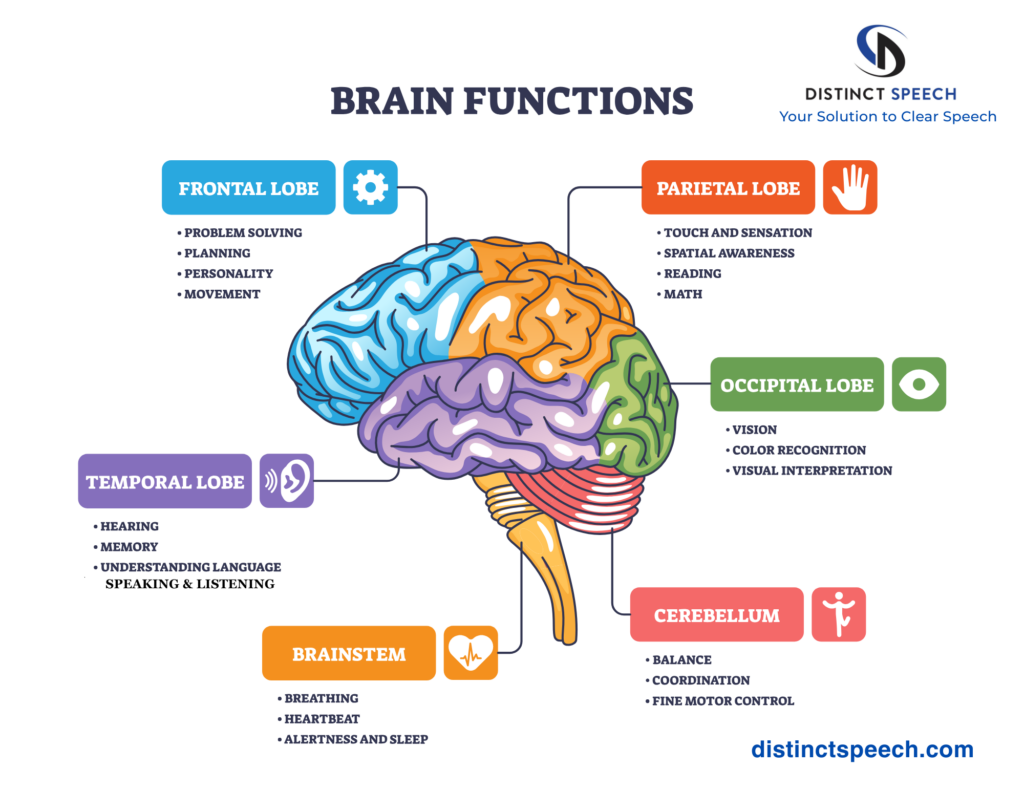
The body parts and/or functions that are damaged by a CVA depend on where in the brain the stroke occurred and what type of stroke. Knowing general brain area functions can help when a doctor tells you or a loved one the stroke is a “temporal lobe CVA.” This stroke location may result in difficulty speaking, understanding what others say, hearing, and memory. Also, when it comes to a stroke there is “Brain Crossover” because the right-side of the brain controls the left-side of the body. Of course, the left-side of the brain controls the right- side of the body. With that in mind, a right-handed person who has had a left CVA may have difficulty writing with their right, dominant hand.

Dementia

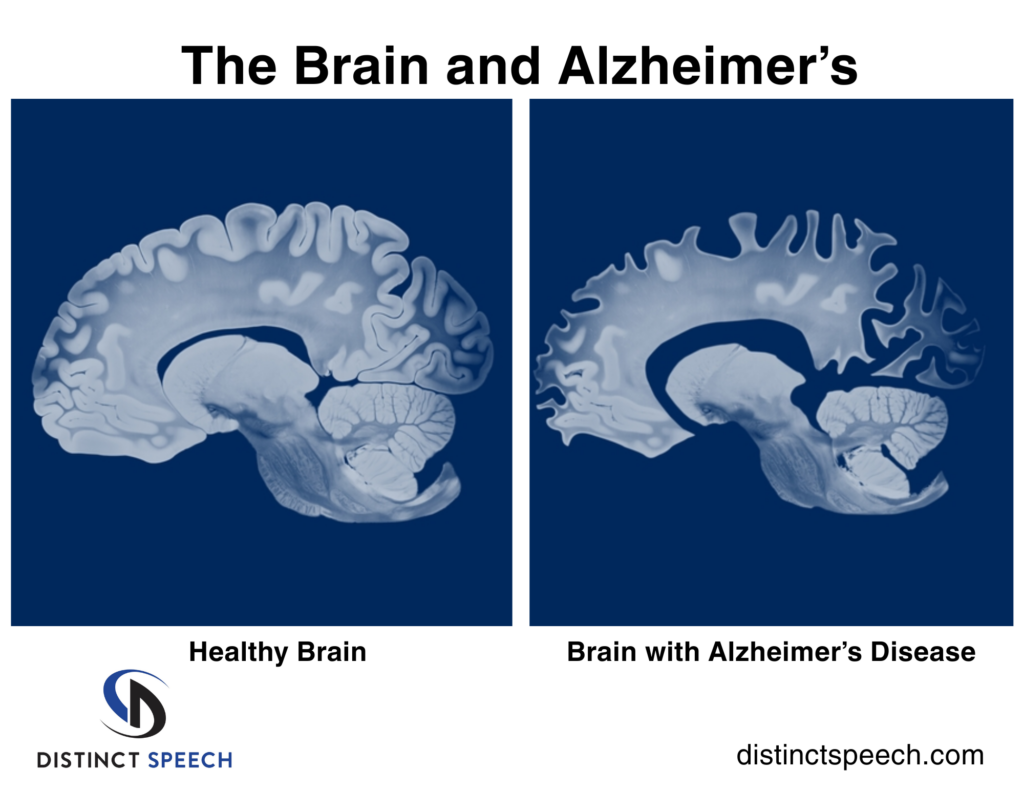
An estimated 7.4 million Americans aged 65 and older are living with dementia. In the U.S., dementia, including MCI (mild cognitive impairment) impacts roughly one-in-ten adults aged 65 and older. Alzheimer’s Disease is the most common form, accounting for about 70% of all dementia cases. Women are disproportionately affected; nearly two-thirds of Americans living with Alzheimer’s are women. Vascular Dementia is the second most common type, making up 10% of cases.

Types of Dementia

  1. Alzheimer’s Disease
  2. Vascular Dementia
  3. Lewy Body Dementia
  4. Frontotemporal Dementia
  5. Mixed Dementia

Other conditions that cause dementia or dementia-like symptoms include:

  1. Head Injury, Concussion
  2. Hydrocephalus
  3. Huntington’s Disease
  4. Traumatic Brain Injury
  5. HIV-associated Dementia
  6. Heavy Alcohol Use
  7. Protein Deficiency
  8. Type-2 Diabetes
  9. Emotional Problems
  10. Delirium
  11. Creutzfeldt-Jakob Disease

Our team is also certified in VitalStim NMES dysphagia (swallowing disorders) skilled treatment, which is conducted on-site.

Dysphagia

(Swallowing Disorders)

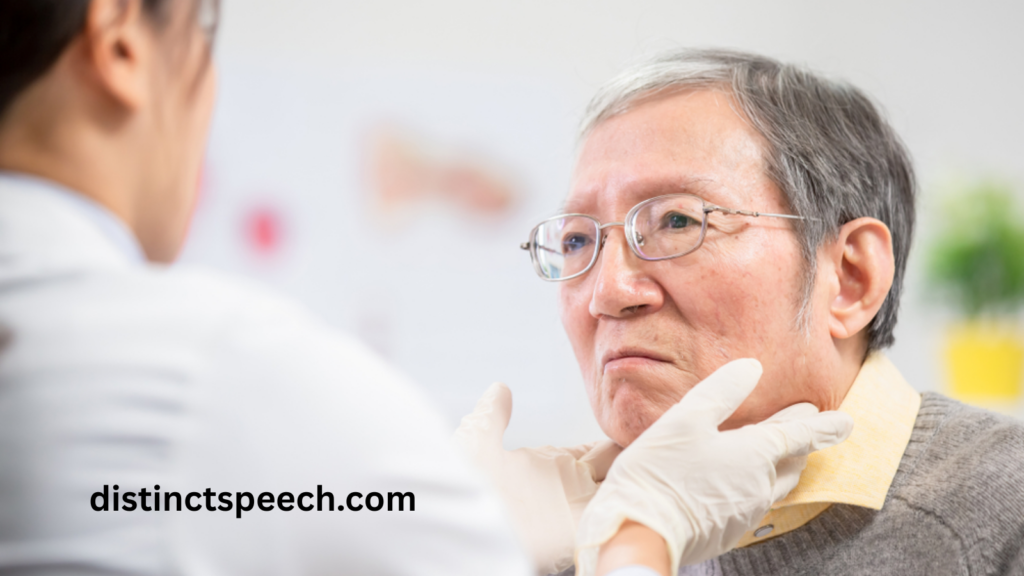
Dysphagia (difficulty swallowing) affects up to 15-million adults in the United States. Approximately 33% of older adults in the U.S. have a swallowing disorder. In skilled nursing homes approximately 50% of residents have dysphagia.

Our team at Distinct Speech is certified in two renowned swallow therapies, LSVT-LOUD and VitalStim NMES skilled treatment.

Some Causes of Dysphagia

  • Stroke
  • Parkinson’s Disease
  • Dementia
  • ALS (Lou Gehrig’s Disease)
  • TBI or Concussion
  • Normal Aging (muscles for swallowing weaken as muscle mass is
    lost)

Risks of Dysphagia

  • Aspiration Pneumonia
  • Dehydration
  • Malnutrition
  • Diminished Bone Density
  • Increased Risk of Falls
  • Need for Alternate Feeding Method (NG, PEG)
  • Decreased Quality of Life

Signs and Symptoms of Dysphagia

  • watery eyes while eating or drinking
  • runny nose while eating or drinking
  • pocketing of food in cheeks
  • coughing &/or choking (But NOT ALWAYS because a person may be
    “silently aspirating.” This is where food, drink, &/or saliva enter their
    airway/lungs, but they don’t feel it and a protective clearing cough is
    not triggered. They are “silently aspirating.”
  • frequent throat clearing
  • wet sounding voice
  • whispered voice
  • slow eating and drinking
  • multiple swallows needed to get down a single bite or sip
  • become short of breath or tired while eating and drinking
  • drooling